Our products
-
Information: Can You Install a Sprinter Body Kit Yourself? DIY vs Body Shop
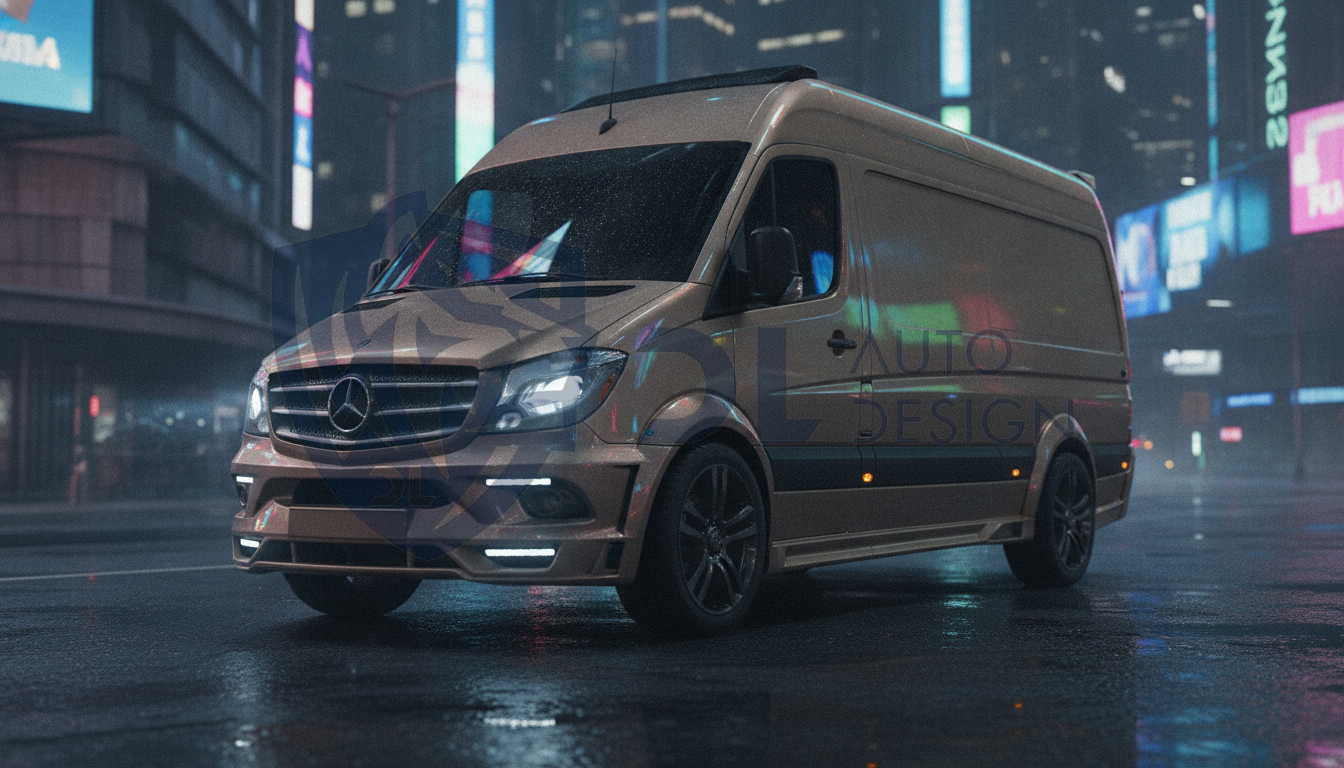
Yes, a DIY Sprinter body kit installation is realistic for many bolt-on parts such as unpainted grilles, side skirts and roof spoilers, but painted bumpers and parts near parking sensors or cameras are usually safer left to a body shop. The right choice depends on the specific part, the tools you have, and whether the panel needs color matching or sensor cutout alignment before it goes back on the van.
What DIY Sprinter Body Kit Installation Actually Involves
Installing a body kit part yourself generally means removing the factory panel, test-fitting the new piece, securing it with the existing mounting points and clips, and reconnecting anything that was attached to the old panel, such as fog lights or sensor wiring if the part includes cutouts for them. This is straightforward on simple trim pieces. It becomes more demanding on full bumpers, where panel alignment, gap consistency and any sensor or camera cutouts all have to line up correctly.
Tools, Skills and Workspace You Need to Install a Body Kit Yourself
Before you decide to install body kit yourself, be realistic about what the job requires:
- A basic socket and trim-clip removal set, since Sprinter bumpers and grilles use a mix of bolts and plastic clips
- A second person or a proper support stand to hold larger panels like a full front bumper during fitment
- A clean, covered workspace if the part is unpainted and will need paint before or after installation
- Comfort with basic electrical connectors if the bumper or grille you are installing includes provisions for fog lights or factory sensors
- Time to test-fit before final tightening, since panel gaps are easier to adjust before everything is bolted down
If you are missing any of these, a body shop Sprinter kit installation removes that risk, but it also adds labor cost that is not included in the part price.
Where DIY Sprinter Bumper Install Works Well
Unpainted, bolt-on components are the best candidates for a self-install because there is no color-matching step and the fitment is usually simpler than a full bumper swap. Grilles that are sold unpainted and debadged, such as the Mercedes Sprinter W907 Front Grille Debadged Unpainted Copy, fall into this category: you handle the paint and finish on your own schedule, and the mechanical installation itself is limited to removing the old grille and fitting the new one.
Side skirts, roof spoilers and similar trim pieces follow the same logic. They typically bolt or clip to existing mounting points without requiring you to disturb bumper-mounted sensors or wiring harnesses.
Where a Body Shop Sprinter Kit Installation Is the Safer Choice
Full front bumpers are a different job. They often need to be painted to match the van, and on later Sprinter model years they may include cutouts for parking sensors, so the physical alignment of those cutouts to the vehicle's actual sensor location matters. A body shop can handle paint matching in the same visit and can check sensor alignment before final assembly, which is harder to verify working alone in a driveway.
Some bumpers are explicitly built around sensor provisions from the start. For example, the Mercedes Sprinter W907 Front Bumper Sport 2018-2025 with Parking Sensor is described as including parking sensor provision in the product name. That does not confirm plug-and-play compatibility with every sensor system on your specific van; you still need to confirm your exact sensor and camera configuration before ordering and before installation, whether you do the work yourself or through a shop.
Sensor and Camera Configuration: The Same Risk Either Way
Bumper modifications must account for the vehicle's exact parking, radar and camera sensor configuration. This is true whether you install the part yourself or pay a body shop to do it. A DIY install does not create this risk, and a body shop does not automatically eliminate it. In both cases, the practical step is the same: check your Sprinter's actual sensor and camera setup against the part's stated sensor provisions before you order, and again before final fitment.
DIY vs Body Shop: Quick Comparison
Factor DIY Installation Body Shop Installation Unpainted trim, grilles, side skirts Usually manageable with basic tools Optional, adds labor cost without a paint step Painted, color-matched bumpers Requires your own paint setup and skill Paint matching typically handled in the same visit Sensor or camera cutout alignment You must verify fit and alignment yourself Shop can check alignment during fitment Tools and workspace needed Socket set, trim tools, support stand, time Shop supplies tools and lift access Labor cost None beyond your own time Additional cost on top of part price Decision Checklist Before You Choose
Work through these questions before committing to a DIY sprinter body kit installation or booking a body shop:
- Does the part need paint, or is it sold unpainted and ready to fit as-is?
- Does the bumper or grille include cutouts for parking sensors, radar or a camera, and have you confirmed your van's exact sensor configuration against that part?
- Do you have the tools and a second set of hands for a full bumper, or only for smaller trim pieces?
- Is this your daily work van, where downtime for a mistake is a bigger issue than on a personal vehicle?
- Are you comfortable test-fitting a panel before final tightening to check gaps and alignment?
If most answers point to painted parts, sensor cutouts and limited tools or time, a body shop Sprinter kit installation is the more predictable route. If the part is unpainted trim and you have basic tools and patience, installing it yourself is a reasonable option.
Frequently Asked Questions
Can I paint a Sprinter bumper or grille myself after installing it?
Some parts, such as unpainted ABS grilles, are sold specifically for you to finish yourself. Painted, color-matched bumpers are harder to match at home and are commonly finished by a body shop with proper paint equipment.
Do I need to recalibrate sensors after a DIY body kit install?
Bumper modifications must account for your van's exact parking, radar and camera sensor configuration. Confirm your specific setup against the part's sensor provisions before ordering, and verify alignment during fitment regardless of who installs it.
What tools do I need for a DIY Sprinter bumper install?
A basic socket set, trim-clip removal tools, and a way to support the panel during fitment cover most bolt-on parts. Larger bumpers benefit from a second person to help hold the panel while it is aligned and secured.
Is a body shop installation required for every Sprinter body kit part?
No. Unpainted trim pieces such as grilles, side skirts and roof spoilers are generally straightforward to install yourself. Painted bumpers and parts with sensor cutouts are where a body shop typically adds the most value.
Will installing a body kit myself affect anything else on the van?
Removing and refitting bumper-area panels can involve wiring for fog lights or sensors on some parts. Handle these connectors carefully and confirm they are reconnected correctly before considering the installation complete.
Choose DIY installation for unpainted, bolt-on parts like grilles, side skirts and spoilers where your tools and time cover the job. Choose a body shop for painted bumpers or any part with sensor and camera cutouts, since paint matching and alignment checks are harder to manage alone. Confirm your van's exact sensor configuration before ordering either way, and review the available Mercedes Sprinter W907 Front Bumper Facelift or other bumper options to see which fitment matches your model year before you commit to an installation path.